Donate to the Cause
Thank you so much for your interest in donating to our advocacy! Your donation will be used for food heritage research, field work expenses, website hosting and maintenance, and the like so that I can continue sharing our different local food cultures and ingredients.


Donate to the Cause
Thank you so much for your interest in donating to our advocacy! Your donation will be used for food heritage research, field work expenses, website hosting and maintenance, and the like so that I can continue sharing our different local food cultures and ingredients.
Alibangbang
𝘗𝘪𝘭𝘪𝘰𝘴𝘵𝘪𝘨𝘮𝘢 𝘮𝘢𝘭𝘢𝘣𝘢𝘳𝘪𝘤𝘶𝘮
Native
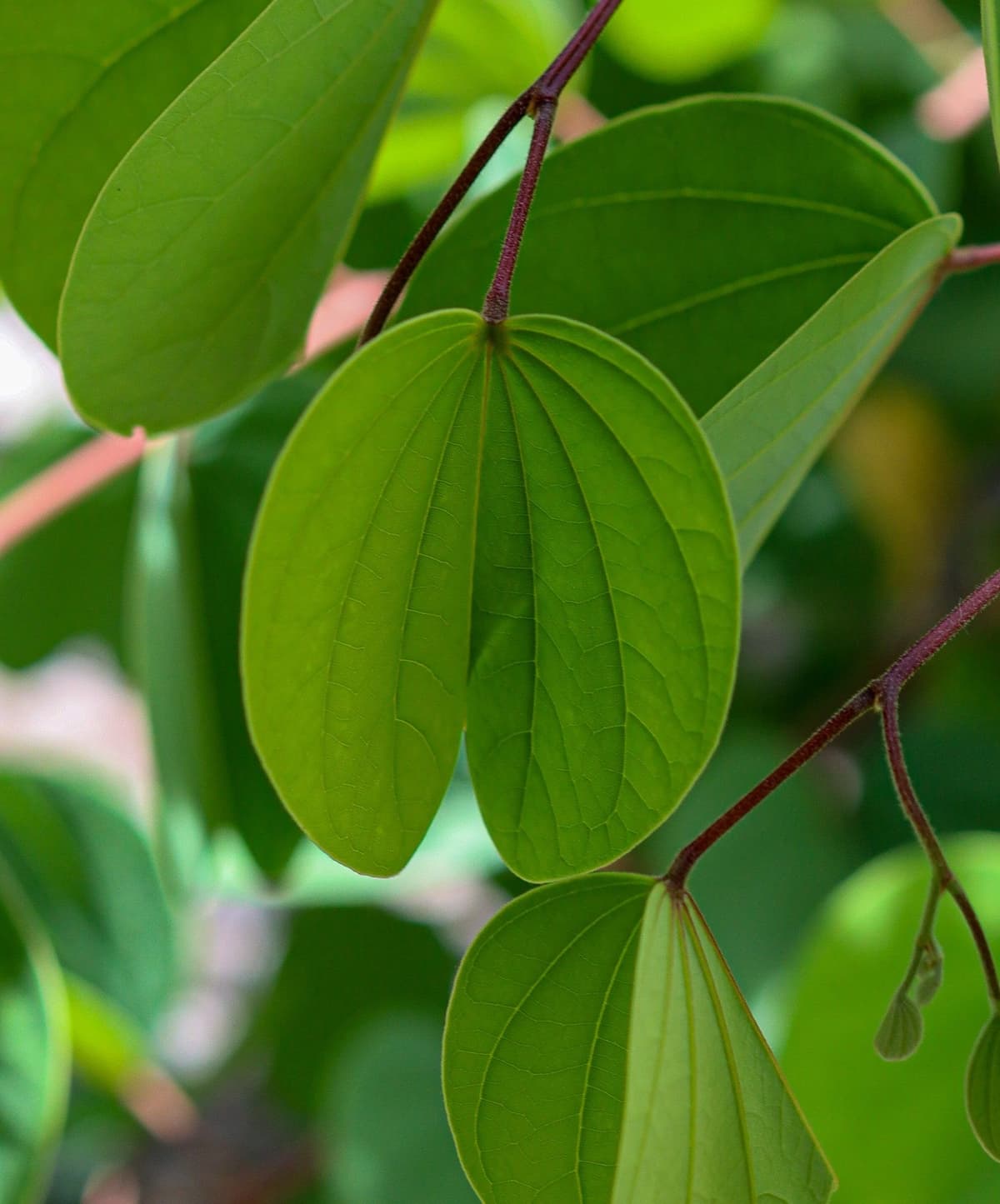
This is Alibangbang (Piliostigma malabaricum), a small to medium sized native tree that was previously placed in the genus Bauhinia. This species produces white flowers and bi-lobed leaves that looks like a butterfly.
In Magallanes, Cavite, the young bi-lobed leaves of alibangbang are utilized as a mild souring agent in dishes. It is popularly used in inalibangbang na pata ng baboy with kagyos (kadyos). It is also added to soups and stewed meat dishes (beef, pork, or goat) with ubod ng niyog or labong. In vegetable dishes, it is used in inalibangbang na apalya (wild ampalaya) and minisong kagyos, a dish with thick paste consistency that is made with pounded pigeon pea.
In other parts of the Philippines, such as Bulacan and Nueva Ecija, alibangbang is used in tinumis, papaitan, and nilagang baka.
There are also similar looking trees that are also named Alibangbang. One is Bauhinia monandra, an introduced tree with invasive properties. It is commonly found in roadsides and waste ground in urban areas. Another one is Bauhinia acuminata, a native species that is usually planted for ornamental purposes. Both leaves of these species are not sour unlike the leaves of Piliostigma malabaricum. One way to distinguish the Alibangbang with sour leaves is to look at the stalks and petioles; they should be reddish or maroon in color.