Donate to the Cause
Thank you so much for your interest in donating to our advocacy! Your donation will be used for food heritage research, field work expenses, website hosting and maintenance, and the like so that I can continue sharing our different local food cultures and ingredients.


Donate to the Cause
Thank you so much for your interest in donating to our advocacy! Your donation will be used for food heritage research, field work expenses, website hosting and maintenance, and the like so that I can continue sharing our different local food cultures and ingredients.
Dayap
Citrus aurantifolia
An aromatic local citrus
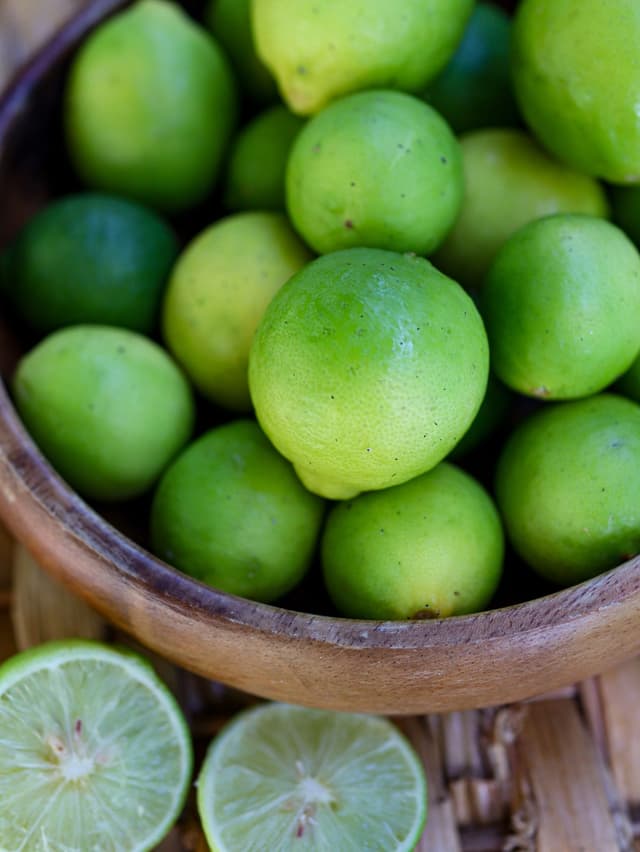
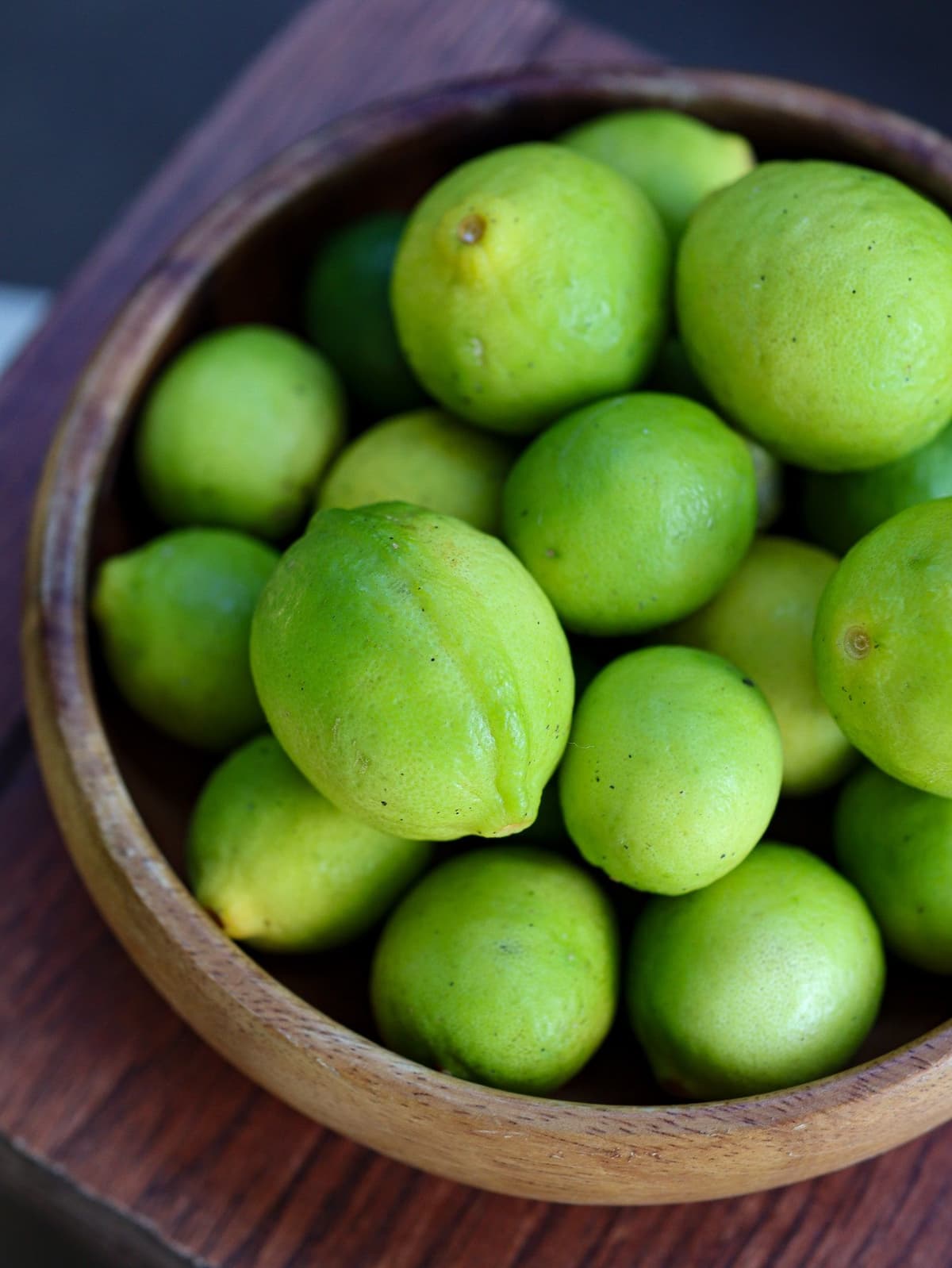
Dayap (Citrus aurantifolia), also known as dalayap or Philippine key lime, is a citrus species with an almost-spherical fruit that is used as a condiment in cooking. The juice of dayap has a distinct smell and taste compared to calamansi. It can be used as a souring agent for dishes such as menudo and kinilaw.
The juice can also be made into an excellent beverage. Beyond its juice, the dayap's skin is used to zest various desserts such as tibok-tibok, leche flan, gurgurya, cakes, and pastries.
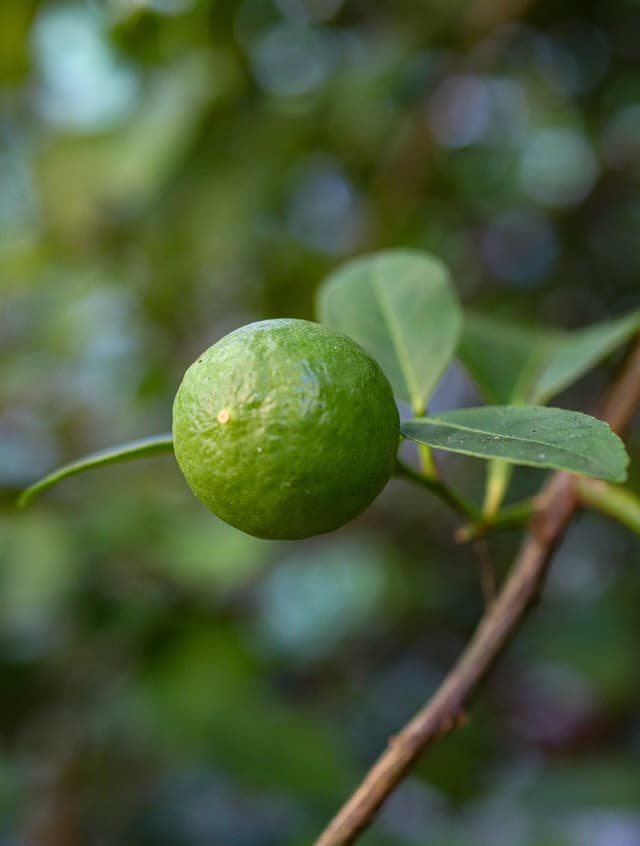
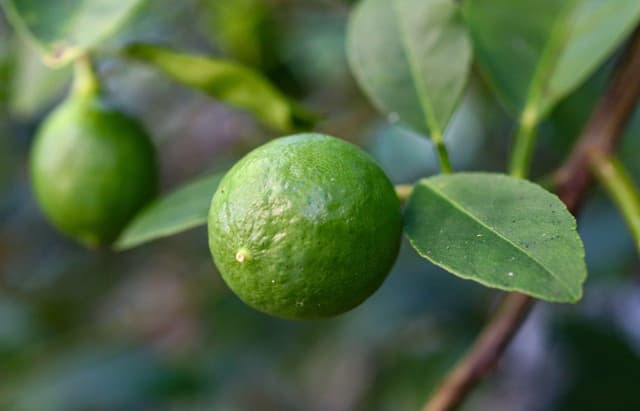
The species is a small tree or shrub planted throughout the Philippines in settled areas. The fruit is almost spheroidal, thin-skinned, and green, turning yellow as it ripens. Dayap is rarely found in public markets; it's usually gathered from home gardens and backyards.
Do you know that dayap is mentioned in Alamat ng Ibong Adarna? Don Juan, prince of Berbanya, dropped some dayap juice on his wounds to stay awake and nullify the curse of the mythical bird's song.