Donate to the Cause
Thank you so much for your interest in donating to our advocacy! Your donation will be used for food heritage research, field work expenses, website hosting and maintenance, and the like so that I can continue sharing our different local food cultures and ingredients.


Donate to the Cause
Thank you so much for your interest in donating to our advocacy! Your donation will be used for food heritage research, field work expenses, website hosting and maintenance, and the like so that I can continue sharing our different local food cultures and ingredients.
Galo
𝘈𝘯𝘢𝘤𝘰𝘭𝘰𝘴𝘢 𝘧𝘳𝘶𝘵𝘦𝘴𝘤𝘦𝘯𝘴
Native
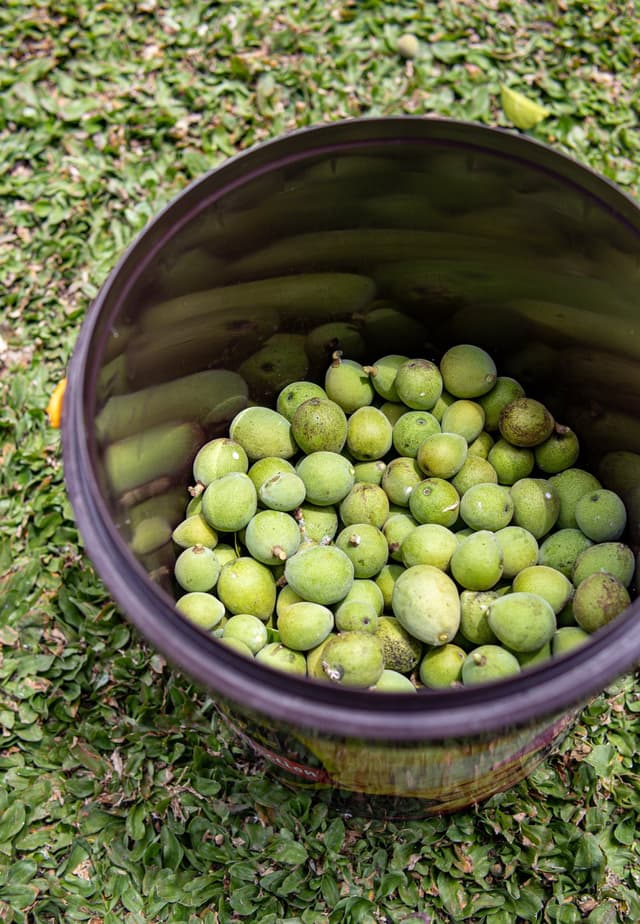
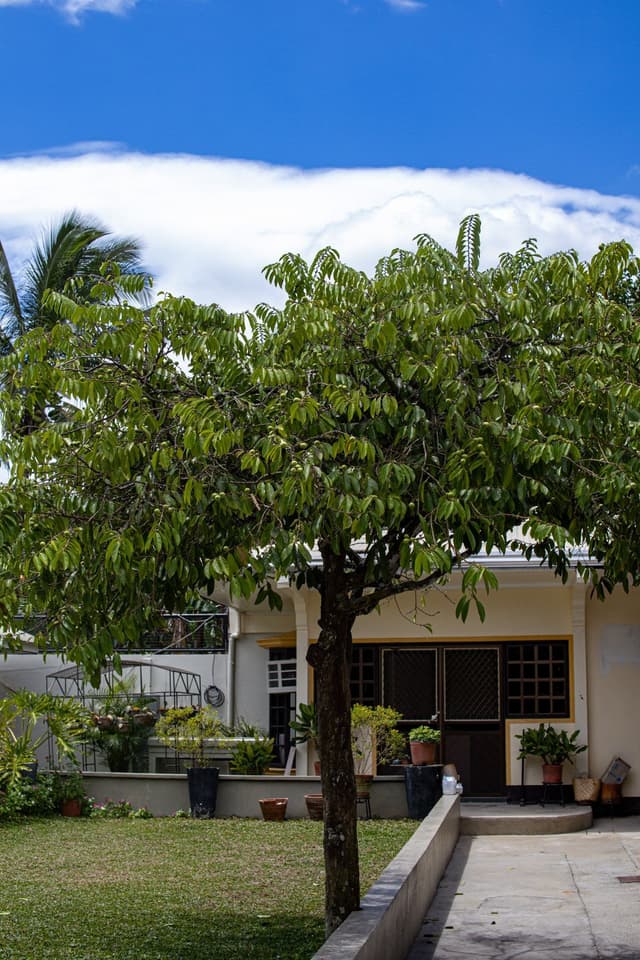
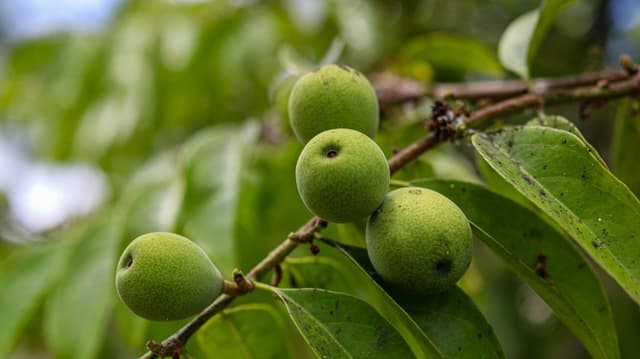
Galo (Anacolosa frutescens) is an erect shrub or tree, usually growing from 5 - 25 metres tall, but exceptionally to 30 metres. It produces fruit with edible pulp and kernel. Locals eat it raw or boiled (most preferred). However, too much consumption of raw galo is said to be “nakakailay” (hilo).
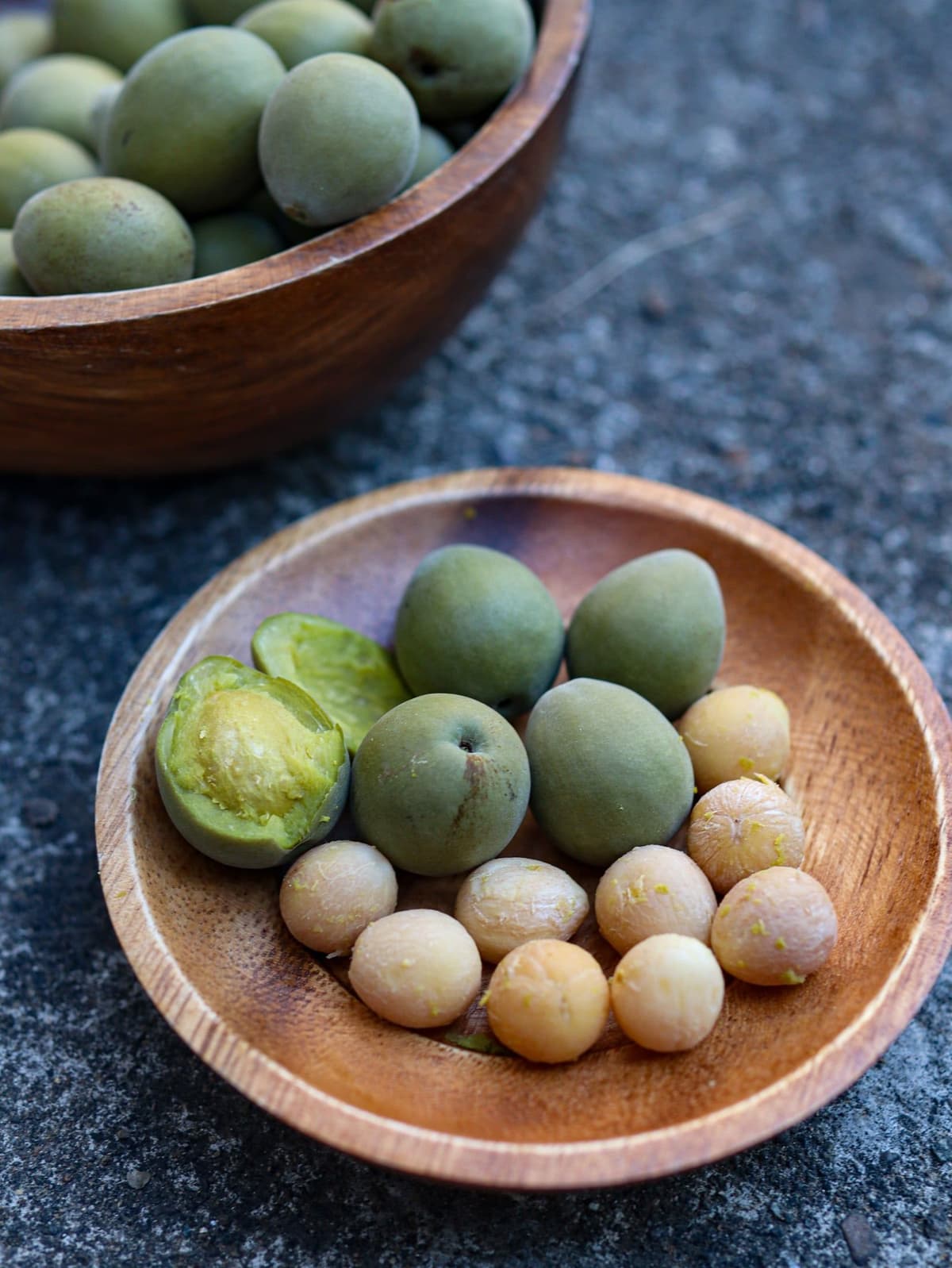
It emits an aroma similar to corn while boiling. The boiled nut has a mild flavor of chestnut, sweet potato, and corn.
It remains rare and underutilized just like other native nuts such as Ibuli, Talakatak, and Bago. Only Pili so far has a big demand in the local and international markets.
Galo is distributed in different parts of the archipelago, but it is in Cavite province where this fruit is well-known. It can be found in Indang, Magallanes, Silang, Alfonso, etc. The fruit is usually propagated by bats locally known as “kabag”.
According to Co’s Digital Flora, galo is also found in Abra, Bataan, Batangas, Cagayan, Camarines Norte, Ifugao, Benguet, Laguna, Nueva Vizcaya, Quezon, Masbate, Zamboanga del Norte, Mindoro, Panay, and Samar.
Special thanks to Silao family and ma’am Riza Herrera.
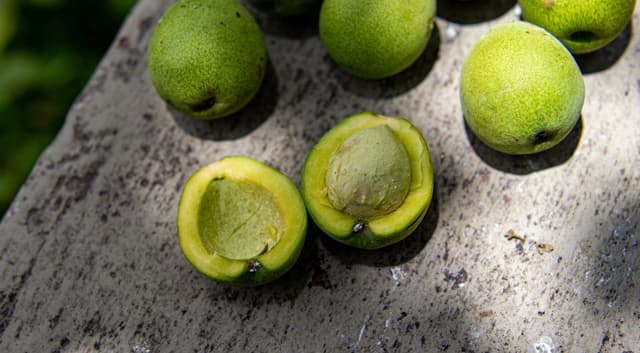
A bisected galo fruit that looks like tiny avocado. It contains an edible seed (nut) and pulp. Fruits with soft pulp/flesh have a flavor of avocado.