Donate to the Cause
Thank you so much for your interest in donating to our advocacy! Your donation will be used for food heritage research, field work expenses, website hosting and maintenance, and the like so that I can continue sharing our different local food cultures and ingredients.


Donate to the Cause
Thank you so much for your interest in donating to our advocacy! Your donation will be used for food heritage research, field work expenses, website hosting and maintenance, and the like so that I can continue sharing our different local food cultures and ingredients.
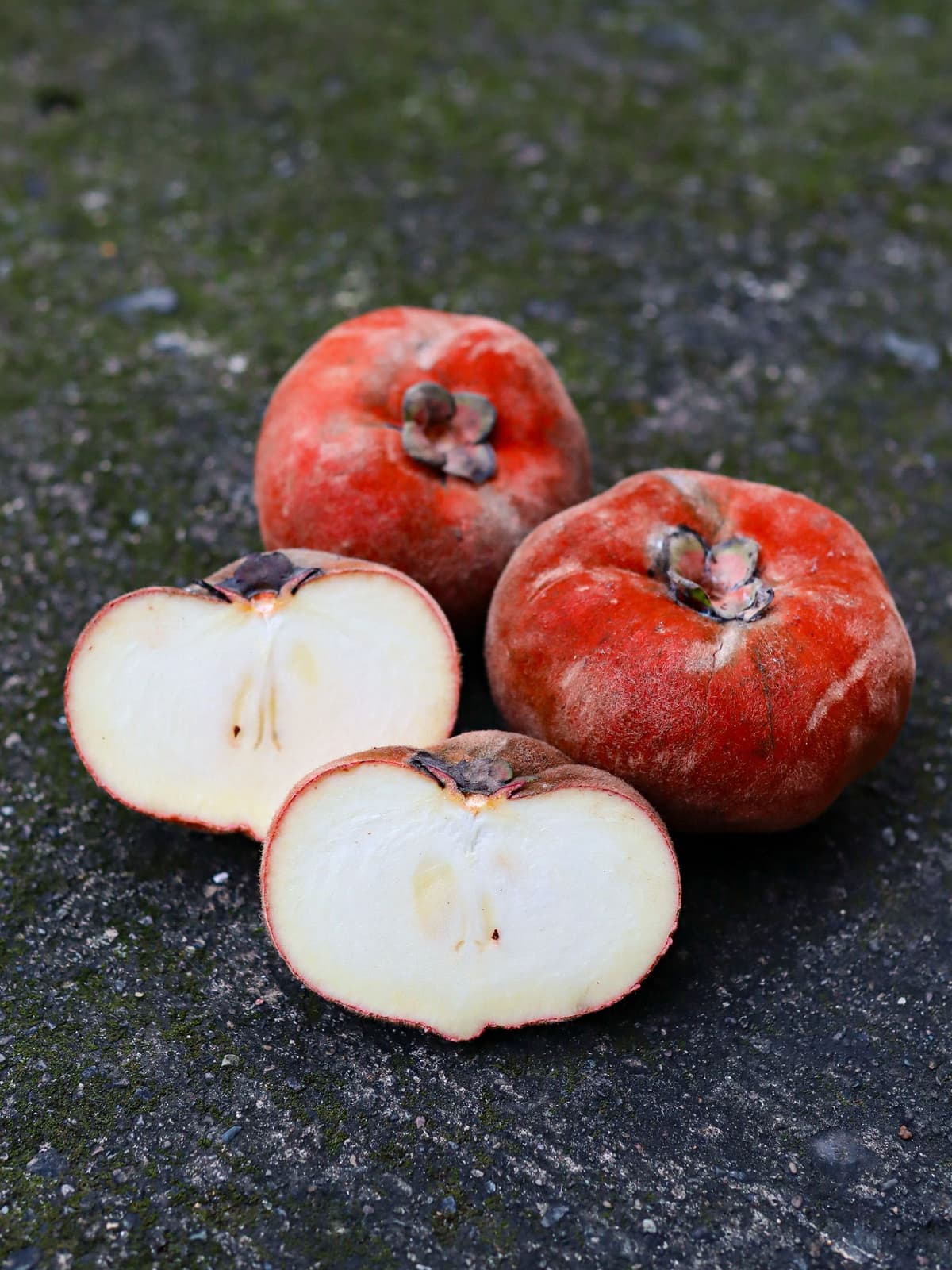
Mabolo
𝘋𝘪𝘰𝘴𝘱𝘺𝘳𝘰𝘴 𝘣𝘭𝘢𝘯𝘤𝘰𝘪
Native
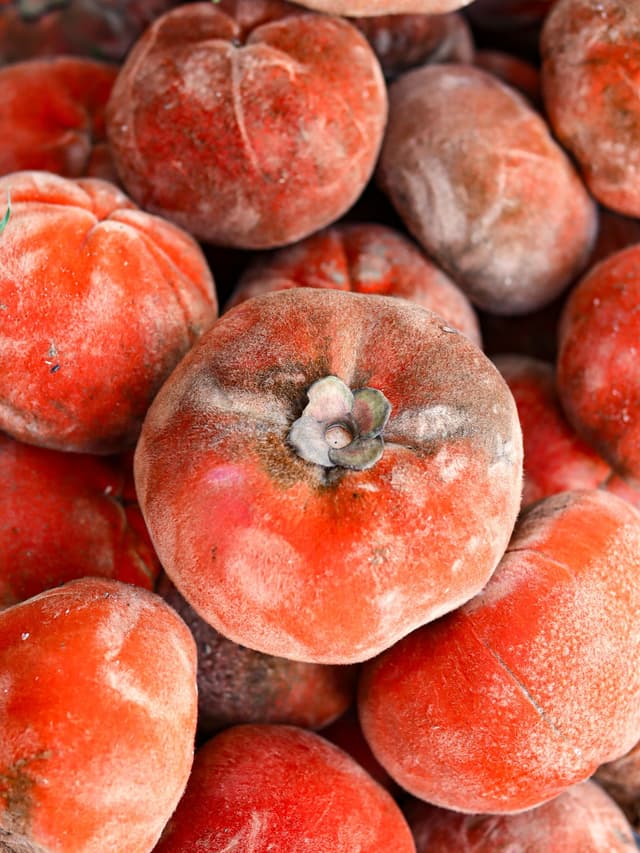
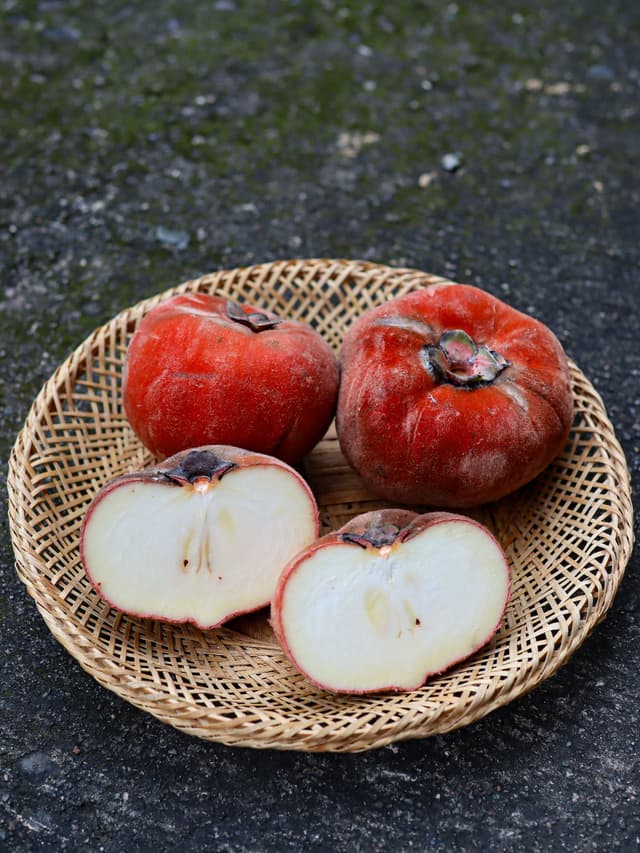
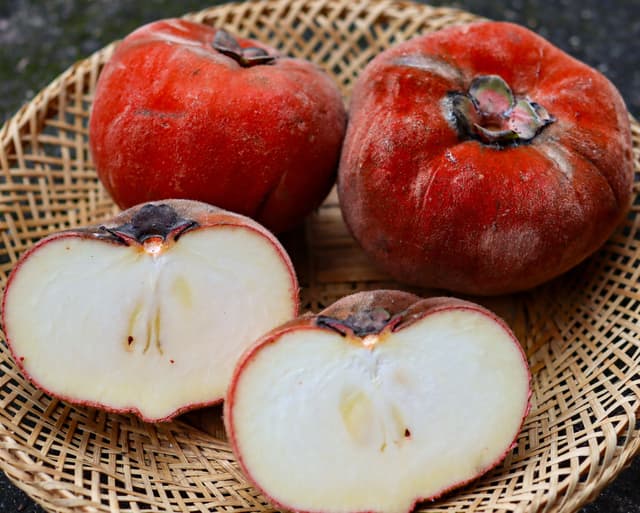
A kamagong tree (𝘋𝘪𝘰𝘴𝘱𝘺𝘳𝘰𝘴 𝘣𝘭𝘢𝘯𝘤𝘰𝘪), also known as mabolo or velvet apple/velvet persimmon, can produce hundreds of fruits in season, but much of the harvest often goes to waste due to limited demand and underutilization. One way to make better use of mabolo is through a traditional Ilocano food preservation technique called inartem, which involves pickling fruits and vegetables. In the Ilocos region, mabolo is a popular choice for pickling. Locals typically select mabolo fruits that are slightly underripe, peel and slice them, and then pickle the pieces in sukang iloko, storing them in containers for later use.
It has remarkable diversity in fruit sizes and shapes, ranging from somewhat round and flat to heart-shaped forms. Its flavors are just as varied, with notes resembling peach, apple, or even cheese. The flesh can be white or yellowish, while the skin color ranges from deep red, reddish-brown, orange-brown and even yellow—a lesser-known color variation of this fruit.