Donate to the Cause
Thank you so much for your interest in donating to our advocacy! Your donation will be used for food heritage research, field work expenses, website hosting and maintenance, and the like so that I can continue sharing our different local food cultures and ingredients.


Donate to the Cause
Thank you so much for your interest in donating to our advocacy! Your donation will be used for food heritage research, field work expenses, website hosting and maintenance, and the like so that I can continue sharing our different local food cultures and ingredients.
Pili
𝘊𝘢𝘯𝘢𝘳𝘪𝘶𝘮 𝘰𝘷𝘢𝘵𝘶𝘮
Endemic
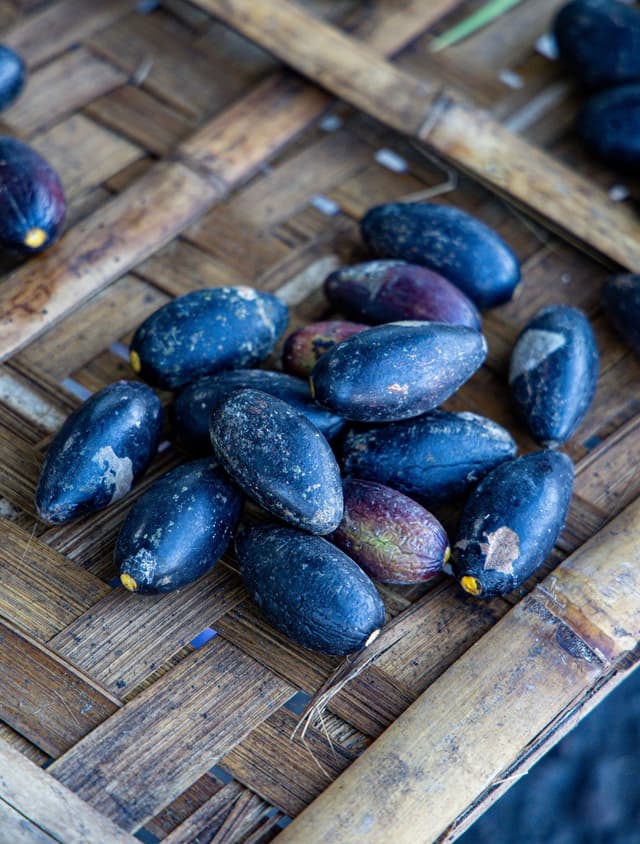
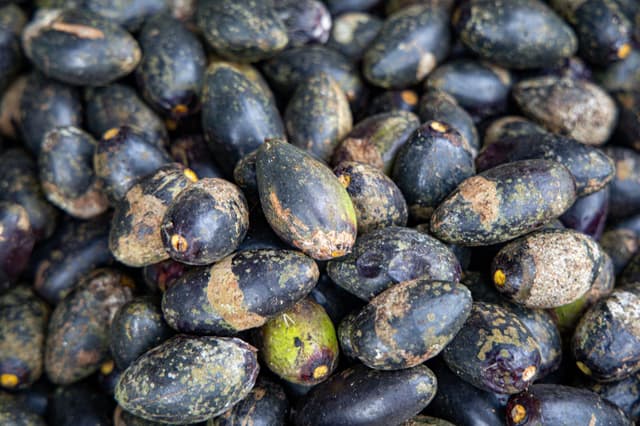
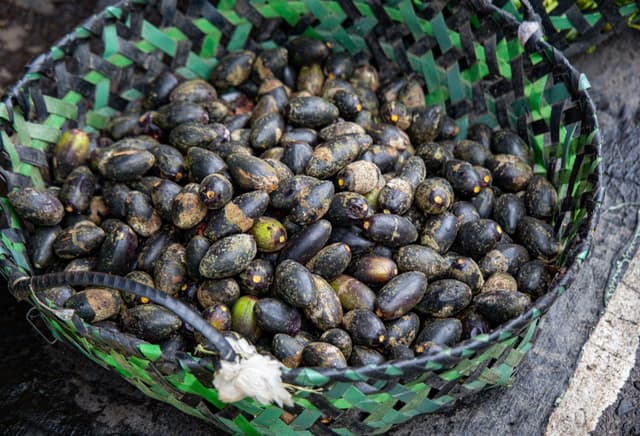
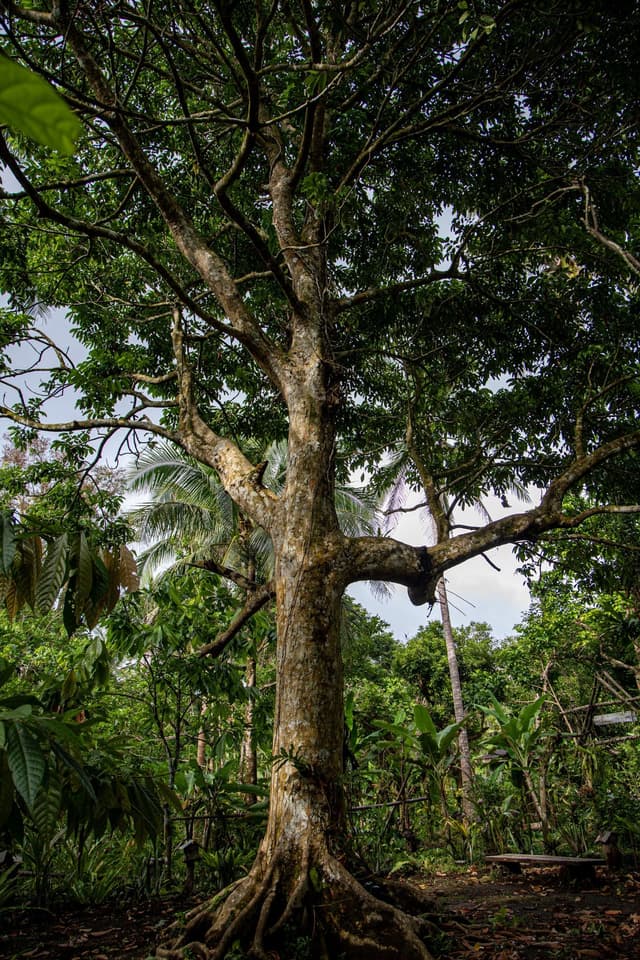
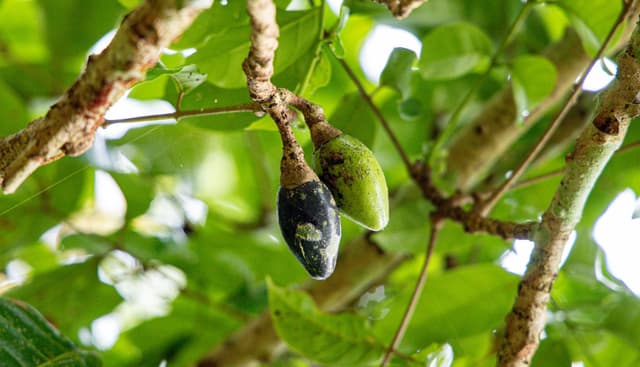
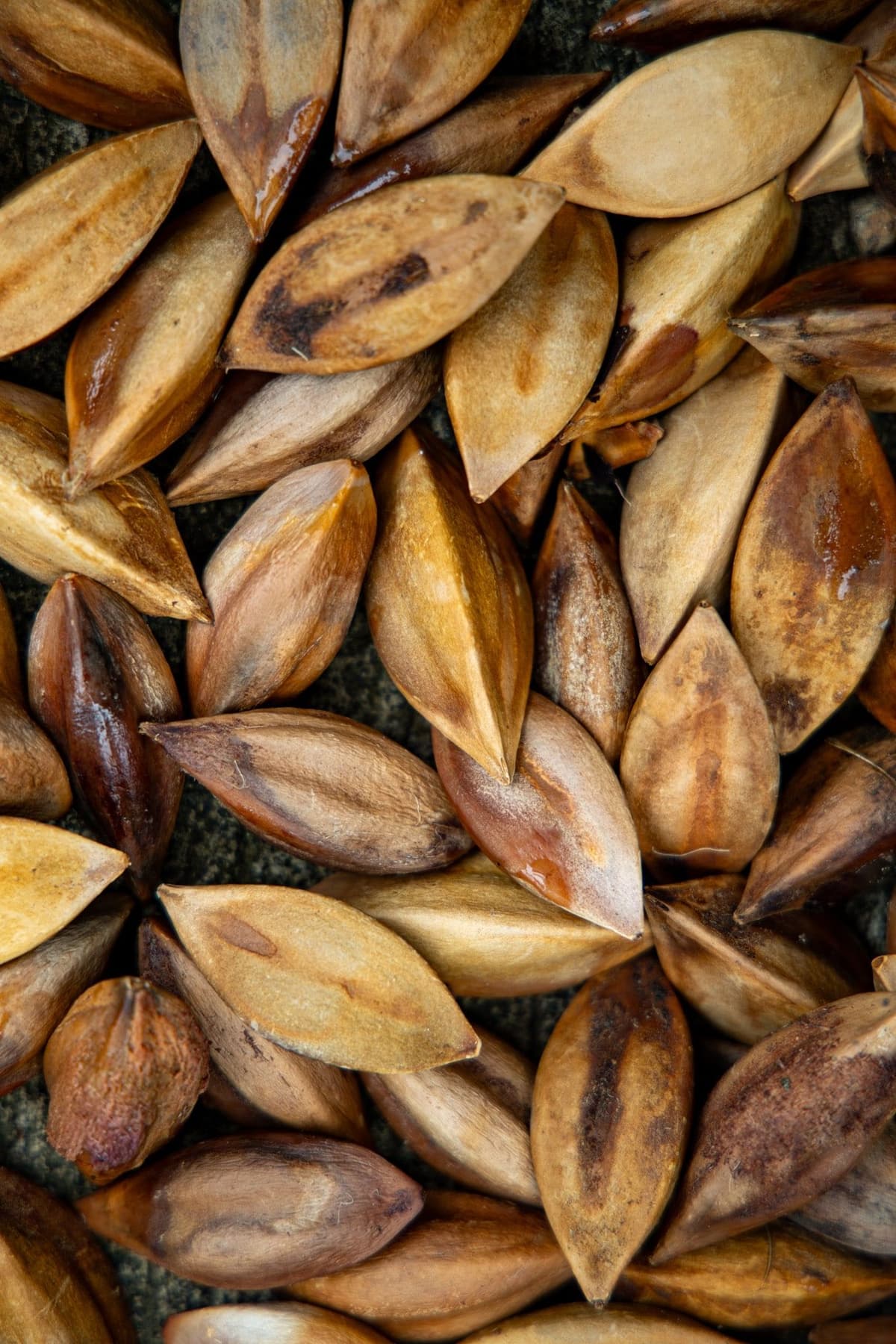
Pili (Canarium ovatum) is an endemic fruit-bearing tree which is perhaps the most important native nut-producing species in the archipelago. It is medium-sized to large tree that may reach a height of 30 m. Its fruit is ovoid to ellipsoid that is smooth and shiny and starts green until it turns black as it ripens. Most people outside the geographic distribution of the species don't know that the pili fruit or pulp can also be eaten. Nilantang pili is a dish made by soaking the ripe fruit in lukewarm water for a few minutes. The fibrous edible meat is then dipped in condiments such as patis or kuyog. Locals treat nilantang pili as a snack or viand.
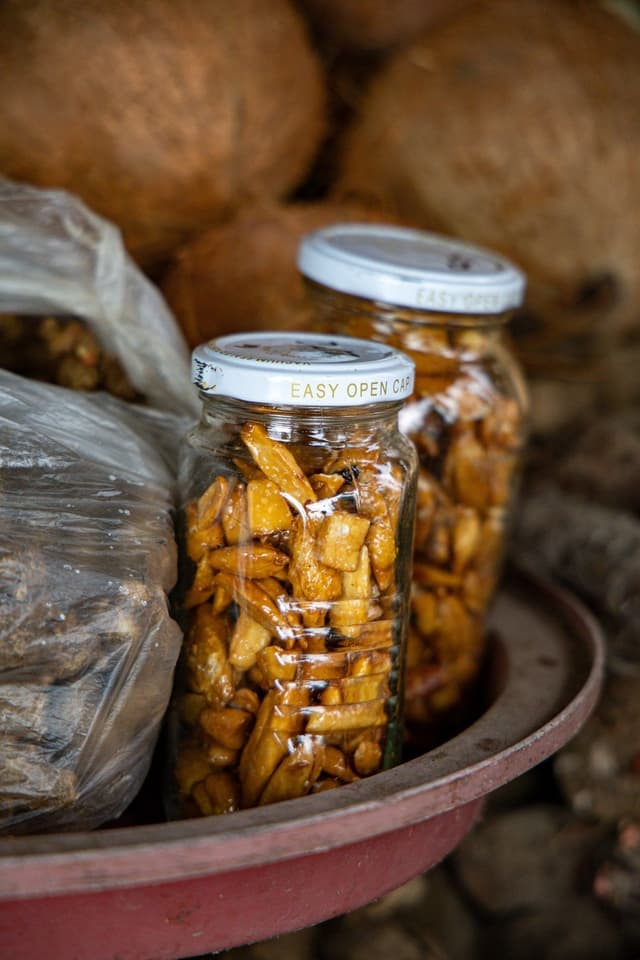
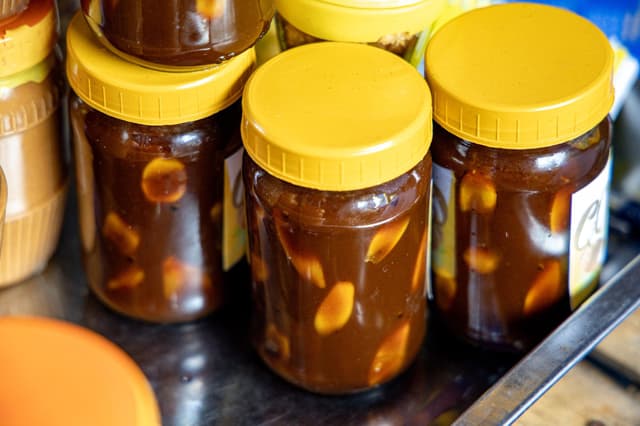
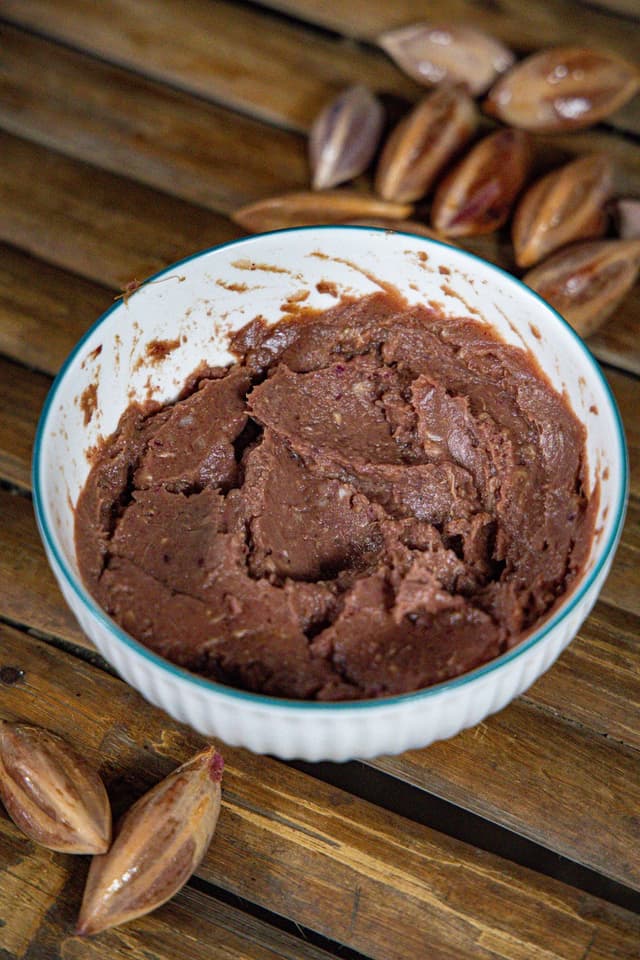
Inside the fruit is a hard shell that needs to be cracked to reveal the edible kernel or nut, which is covered with a brown, papery seed coat. Some people describe the taste of the nut as light and buttery. It can be used to make pili nut butter or incorporated into local delicacies like Marzapan de pili, Pili nut brittle, and Santan—a Bicolano dessert made from coconut milk, pili, and sugar
The present production of the plant is confined to a limited area of the Philippines, mostly centered in the Bicol region, which is also the center of genetic diversity for the species. The top producer of pili in Bicol region is Sorsogon province. On the other hand, pili is also cultivated in Southern Tagalog (mostly Quezon) and Eastern Visayas.
While pili is endemic to the country, it is also cultivated in some parts of Malesia, Melanesia, and Micronesia for its highly prized nuts.
Pili is classified as "Least Concern" by the IUCN Red List of Threatened Species, while it is categorized as “Other Threatened Species” in DENR List of Threatened Philippine Flora. Its wild population is currently decreasing due to habitat destruction through land conversion and urbanization.